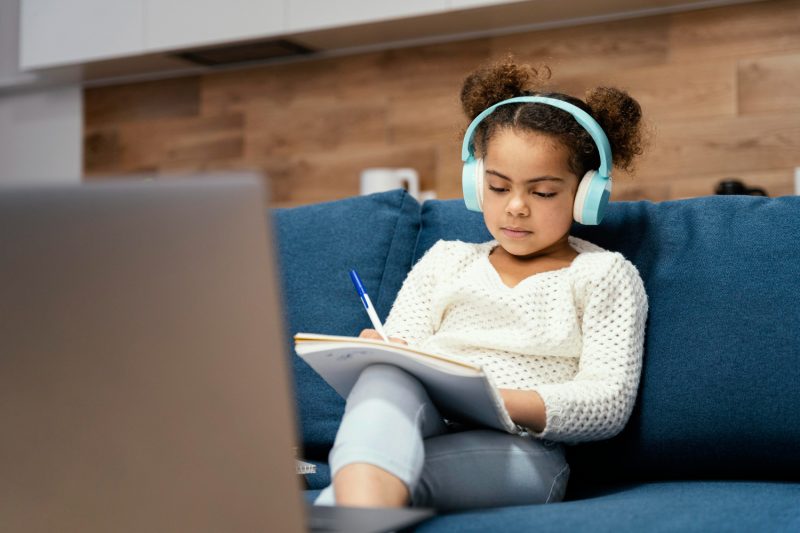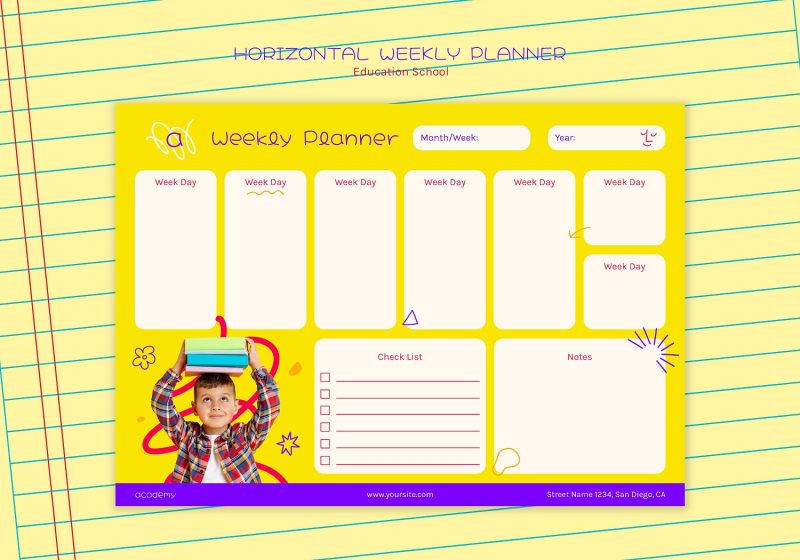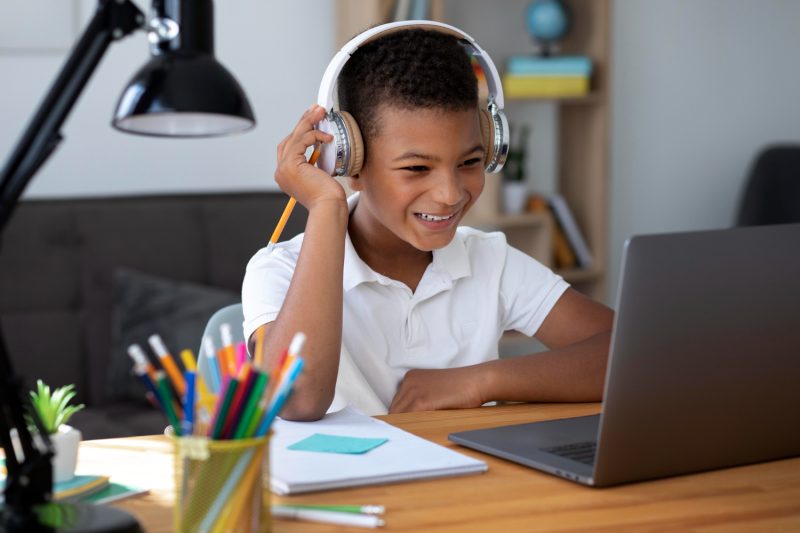

Choosing the right learning resources for children has become more complex in today’s digital world. Parents are no longer limited to textbooks and classroom materials. There are countless online platforms apps and learning tools available, each promising to improve academic performance. For families living at home or abroad, making the right choices can significantly influence a child’s learning experience and success.
Table Of Content
- Understanding Your Child Learning Needs
- Aligning Resources with Curriculum and Educational Goals
- Evaluating Quality and Credibility
- Balancing Digital and Offline Learning
- Supporting Independent Learning and Responsibility
- Considering Cultural and Language Relevance
- Practical Tips for Parents
- Conclusion
Parents play a critical role in guiding children toward resources that support learning goals, match their abilities, and encourage healthy study habits.
Understanding Your Child Learning Needs
Every child learns differently. Some children thrive with visual materials while others prefer reading listening or hands on activities. Before selecting any learning resource, parents should understand their child’s learning style strengths and challenges.
Age level academic goals and personal interests should also guide decisions. A resource that works well for one child may not be suitable for another. Paying attention to how a child responds to different materials helps parents make informed choices.
Aligning Resources with Curriculum and Educational Goals
Learning resources should complement the curriculum the child is following. Whether the child is enrolled in a local school an international program or online education, resources should support what is being taught rather than create confusion.
Parents should check that content matches grade level expectations and subject requirements. Resources aligned with recognized education standards are more likely to provide structured and effective learning support.
For children studying abroad, it is helpful to include materials that bridge gaps between home country curriculum and host country education systems.
Evaluating Quality and Credibility
Not all learning resources are created equally. Parents should prioritize quality over quantity. Well designed resources present information clearly use accurate content and encourage critical thinking rather than passive consumption.
Checking reviews educator recommendations and platform credentials can help assess credibility. Resources developed by educational institutions or experienced educators often provide better learning outcomes.
Avoid resources that rely heavily on entertainment without clear educational value or that overwhelm children with unnecessary features.
Balancing Digital and Offline Learning
While digital tools offer flexibility and access, balanced learning is essential. Parents should combine online resources with offline activities such as reading physical books writing exercises and practical projects.
This balance helps prevent screen fatigue and supports cognitive development. Offline activities reinforce skills learned online and allow children to apply knowledge in real world contexts.
Supporting Independent Learning and Responsibility
The right learning resources should encourage independence. Tools that allow children to explore topics at their own pace track progress and reflect on their learning help build responsibility and confidence.
Parents should guide children in setting goals and monitoring progress rather than controlling every aspect of learning. This approach helps children develop self motivation and accountability.
Considering Cultural and Language Relevance
For families living abroad cultural relevance matters. Learning resources should respect the child’s background and support language development in both the home language and the host country language.
Resources that include multicultural perspectives help children feel represented and understood. This is especially important for children navigating multiple identities in different educational environments.
Practical Tips for Parents
-
Observe how your child responds to different learning formats
-
Choose resources that align with school curriculum and goals
-
Prioritize quality clarity and credibility
-
Combine digital tools with offline learning activities
-
Encourage independent learning and reflection
-
Select culturally inclusive and language supportive resources
Conclusion
Choosing the right learning resources is not about finding the most popular tools but about understanding your child and their educational journey. With thoughtful selection and ongoing support parents can create a learning environment that is engaging effective and balanced.
When children are supported with the right resources they develop confidence curiosity and the ability to learn independently. These skills prepare them for academic success at home abroad and beyond.
.